Copyright gives protection to creative and artistic works, by giving the author legally enforceable rights under law.
This protection comes from the Copyright, Designs and Patents Act 1988, which extends to any "literary, dramatic, artistic, or musical work, sound, recording, film, broadcast, or typographical arrangement."
One area in particular affects journalists. That is, there is no copyright in "facts, news, ideas or information." Instead copyright exists in the way this information is presented, as this is seen as the action that requires skill and labour. So technically we are able to lift ideas from other people, as Dan Brown did in his book The Da Vinci Code.
However, journalists must be careful. A journalist can be in breach if they take facts from others stories time and again, showing no individual research. This is even true if the story is entirely rewritten each time.
Since the Copyright Act came in to force the owner of the copyright is the author of the work. For example, the person who takes the photograph will be the owner of the copyright of that photograph. The exception to this is when a person completes work in the course of their employment. Any articles undertaken whilst at a newspaper will be owned by that newspaper, unless there is a clause in the employment contract to the contrary.
The defence of fair dealing allows journalists to use copyrighted work while reporting on current affairs. For example, the BBC can show Sky's football pictures from that day, as long as it is in a very cropped, highlighted format, and remains current affairs, e.g. it is shown on the same day.
Problems will only arise if too much of the work is used than absolutely necessary. The work must also be accredited to the owner. In one case between the BBC and Sky it was held that clips between 14 and 37 that had an accreditation were within the definition of fair dealing. The same applies when using clips for artistic review.
The length of copyright protection varies depending on the work published. In general, copyright lasts 70 years after the author's death. Copyright of a broadcast lasts 50 years, and 25 years for a photograph after it has been published.
Remedies to breach of copyright include both civil and criminal actions. The owner of the copyright can get an injunction against the person using their work, and then seek damages. The amount of damages will depend on how reckless or deliberate the infringement has been. An order to reclaim any infringing work can also be issued. A criminal penalty can also occur, but according to McNae's this is generally reserved for piracy cases.
Vanilla Ice v Queen and Bowie:
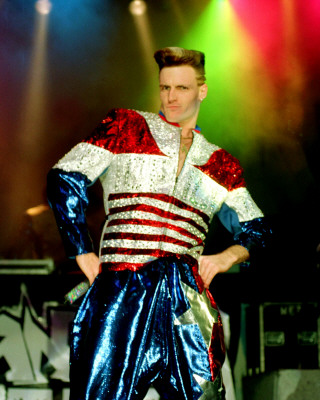
Vanilla Ice decided to blatantly lift the baseline from "Under Pressure" by Bowie and Queen, thinking no permission would be needed as he has changed the tempo. He was, of course, very wrong and was forced to settle out of court for a large amount.

No comments:
Post a Comment